Why I Repositioned My Work — And What Most Project Environments Get Wrong
After years across London, Mumbai, and the Netherlands, one pattern kept repeating. Projects rarely struggled due to lack of effort — they struggled because the system wasn't designed for execution.
Why I Repositioned My Work —
And What Most Project Environments
Get Wrong
After years across London, Mumbai, and the Netherlands, one pattern kept repeating. This is what I learned — and what I'm doing about it.
The Shift Behind This
I recently updated my LinkedIn profile — not because my work changed, but because my understanding of it did.
Over the years, I've worked across complex project environments in London, Mumbai, and now the Netherlands. Across geographies, sectors, and scales, one pattern kept repeating:
"Projects rarely struggled due to a lack of effort. They struggled because the system behind the work wasn't designed for execution."
That realisation is what led me to reposition my work and refocus on execution environments.
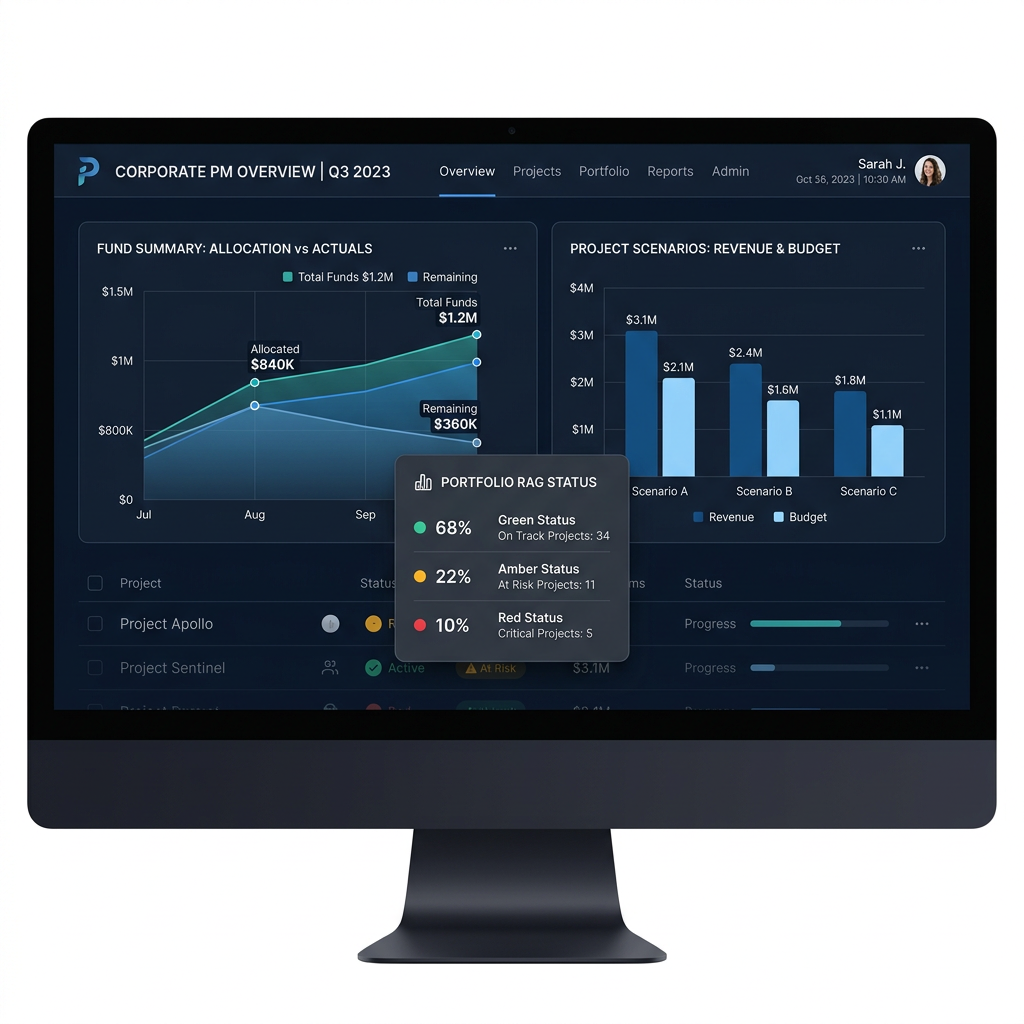
What's Actually Going Wrong
When execution falters, most organisations add more: more tools, more reporting, more oversight.
But the real friction appears in areas like:
- Siloed teams with partial information
- Decisions made without full visibility
- Fragmented or unclear ownership
- Firefighting instead of structured delivery
These issues don't always show up in reports — but they do show up in delays, rework, and missed opportunities.
What Experience Actually Teaches
From large public programmes in the UK to design-build delivery and scaling teams in India, one insight has become clear:
"Outcomes are driven less by individual effort and more by how the system is designed."
That system covers:
- Decision-making
- Information flow
- Ownership and accountability
- How projects connect at a portfolio level
Weak systems drag strong teams down. Strong systems make execution predictable.
This understanding shaped a more structured approach to execution — now formalised through Optimus.
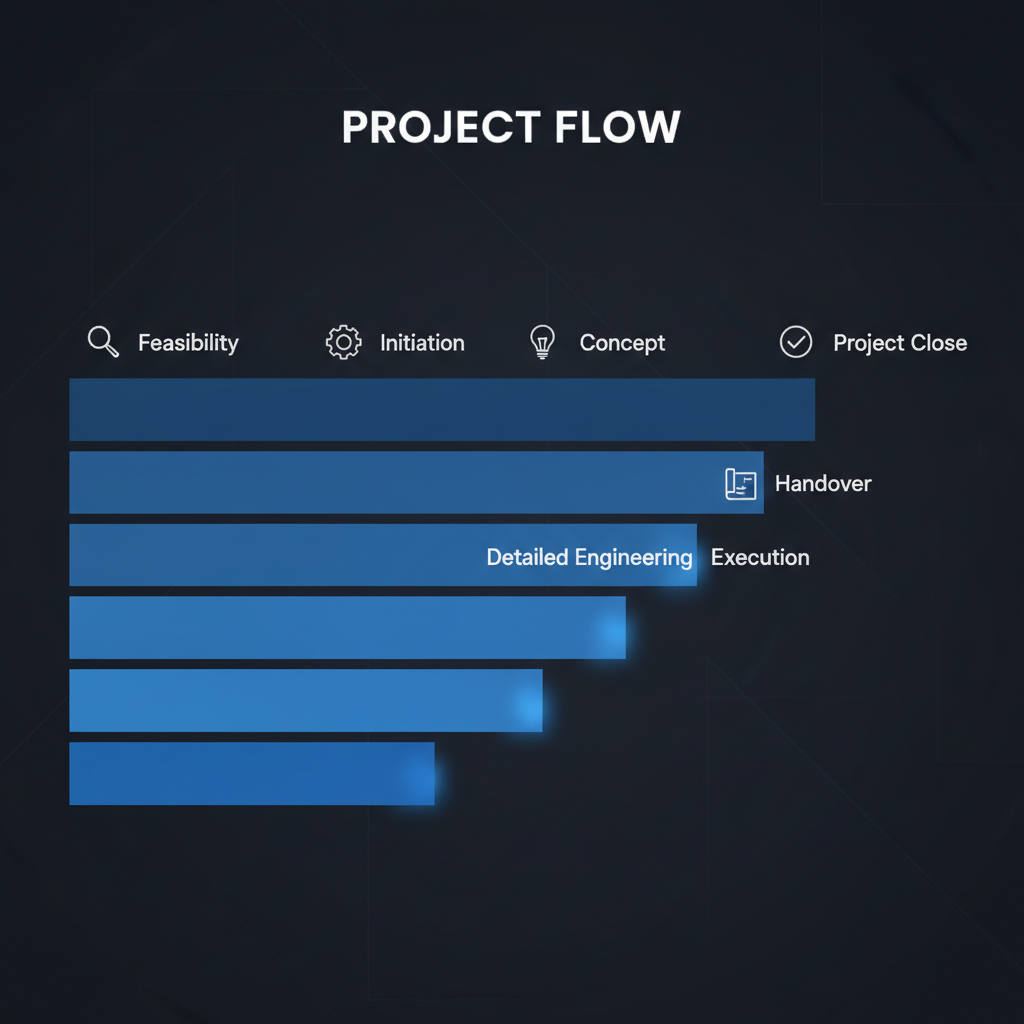
A Better Lens on Projects
High-performing environments are designed, not accidental.
Structured delivery moves through clear, accountable phases:
What high-performing environments feature:
- Clear governance and decision structures
- Defined ownership and accountability
- Portfolio-wide visibility
- Operating rhythms that keep teams aligned
In these settings, teams aren't chasing information or resolving preventable issues — they're focused on delivery.
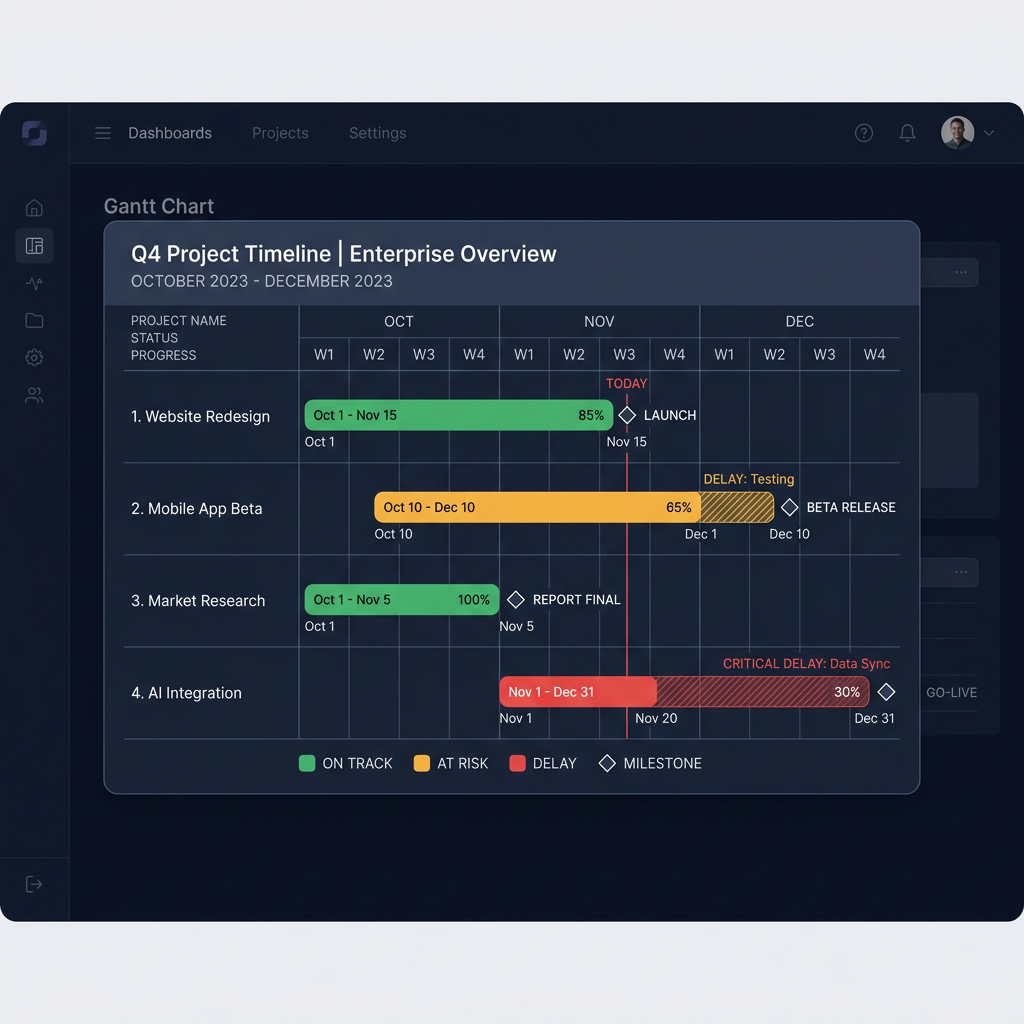
Where Optimus Comes In
Optimus is not about "more project management". It's about improving the environment projects operate in.
- Structuring complex portfolios
- Increasing visibility across initiatives
- Enabling faster, more confident decisions
- Reducing friction between teams and stakeholders
"The aim: make execution work as a system, not as a series of recoveries."
Why This Matters Now
Projects are getting more complex: more stakeholders, more dependencies, more pressure.
But the way many organisations structure projects hasn't kept pace.
"That gap is where inefficiency — and opportunity — live."
Final Thought
Projects don't fail because people can't deliver.
They fail because systems don't support how work actually happens.
Fix the system, and performance follows.
Open Question
If you work in complex project environments: where do you see the most friction?
Alignment, visibility, decision-making, or something else?
If this resonates, I'd be happy to connect or share more about how I approach this through Optimus.